Winemaking
One of my longest-running hobbies, winemaking was a fun application for the sterile technique I learned when culturing stem cells. Any homebrewer will say one of the most important things to avoid is contamination, which can ruin a batch, and thankfully I've never had an infected batch! Sticking to wine, rather than beer, helps in that regard, since the higher acidity makes it more difficult for undesired bacteria to grow. On the name 'wine', some argue that wine can only be brewed from grapes, whereas I have only ever made my wines from other fruit, and therefore I should call my creations 'country wine'. I have very little respect for PDO protections, and less still for pedantry, so it will just have to be inferred from the name that my 'cherry wine' does not, in fact, contain exclusively grapes. I've only documented a few of my more interesting brews here, but there were dozens more over the years.
Plum Wine
I had my 'Einstein' moment during my PhD when I was walking in a park near the office one day, but unfortunately it wasn't about my PhD research, it was about wine - I walked head-first into a plum hanging from a tree. I had no idea there were fruit trees in parks in London, and when I looked around the park, there were loads more. It turns out that there are a surprisingly high number of wild plum trees dotted around London's parks. The logical conclusion was to harvest a bounty, and make some plum wine.
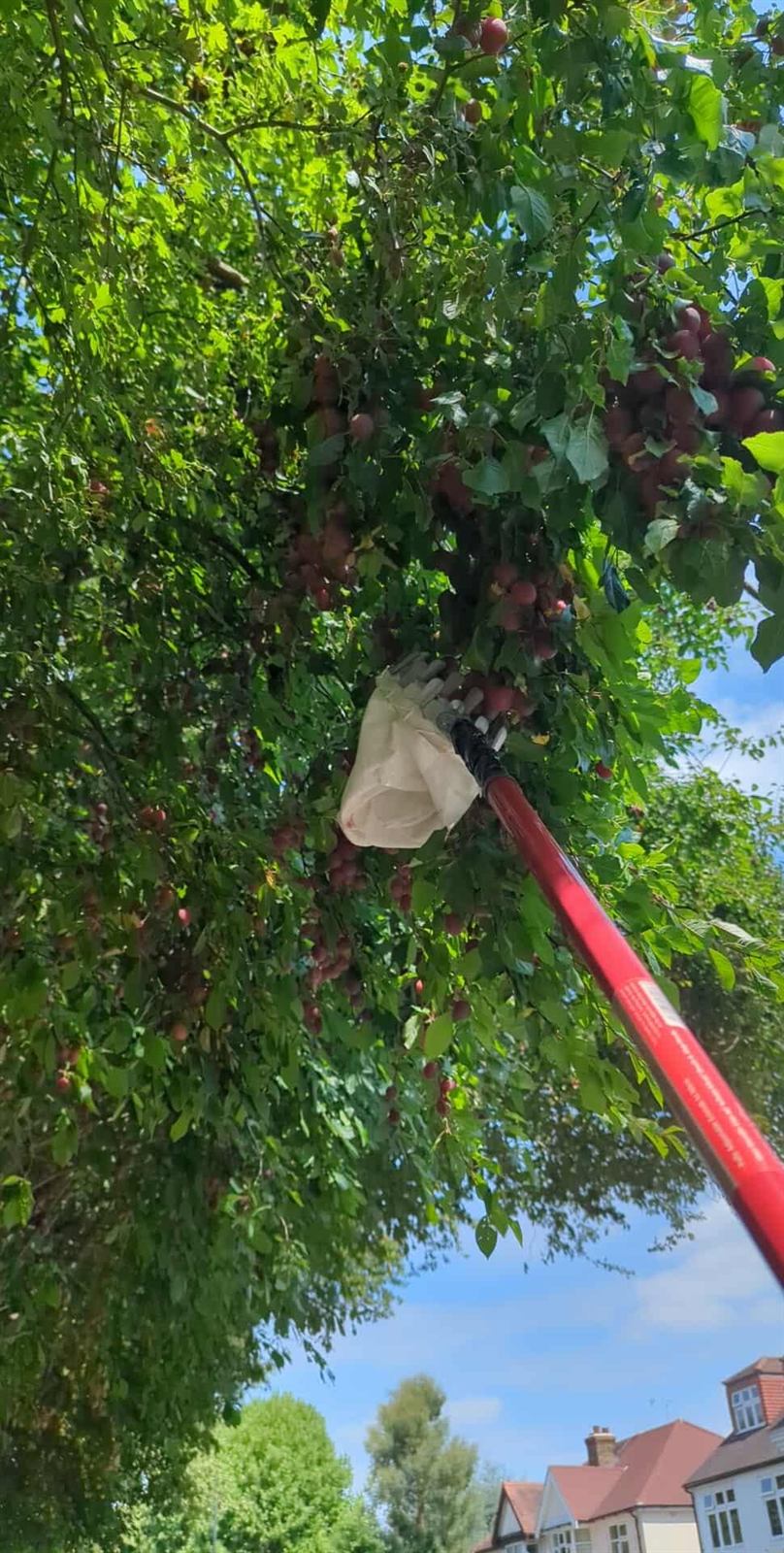
The 'Fruit-grabber 4000' - a fruit picking head with 'teeth' that pull the fruit from the branches, which drop into the pouch, affixed to a telescopic broom handle. The attachment was actually a decent engineering challenge, because the head can get stuck in the leaves which means high tensile forces on the attachment when you yank it out - duct tape wasn't enough, but an intricate series of cable ties plus tape made it work - I'll add some more up close photos of the assembly next time there are fruit to be picked.
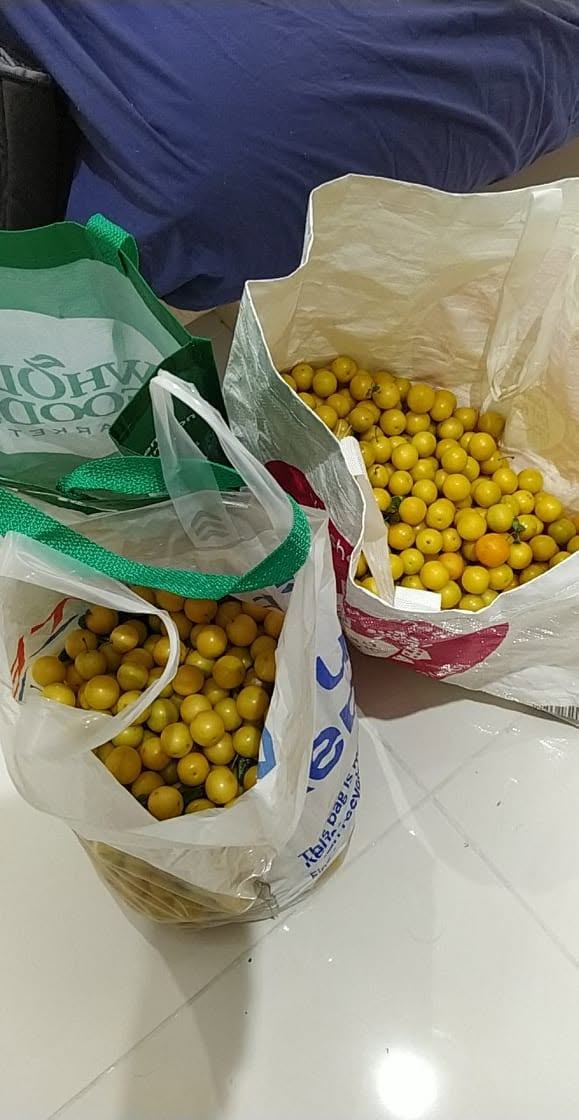
Yellow Mirabelle plums, or 'Gocce d'Oro' (drops of gold) in Italian. Around 20kgs worth!
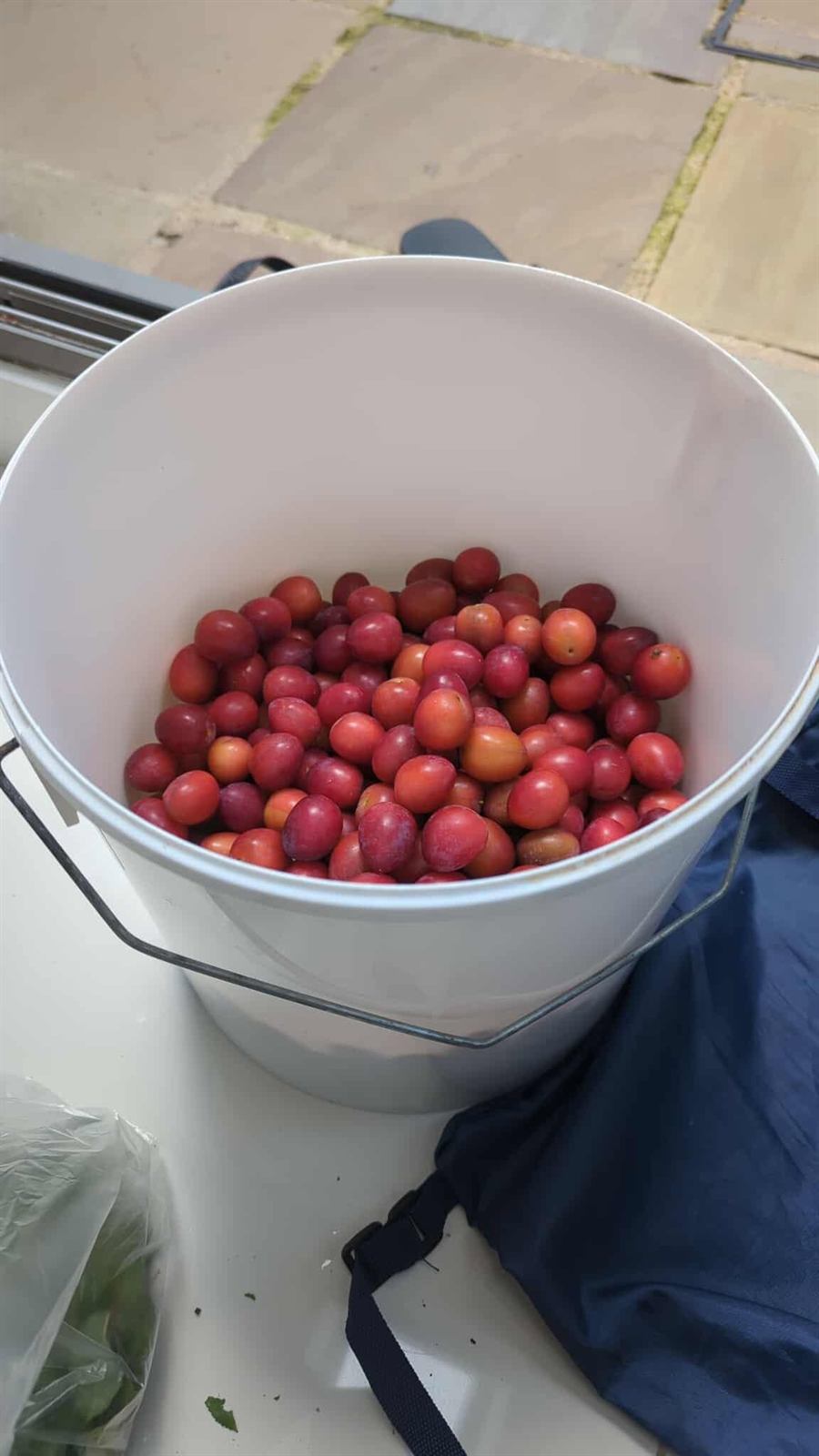
Red cherry plums, the color of the resulting wine/cider is much deeper.
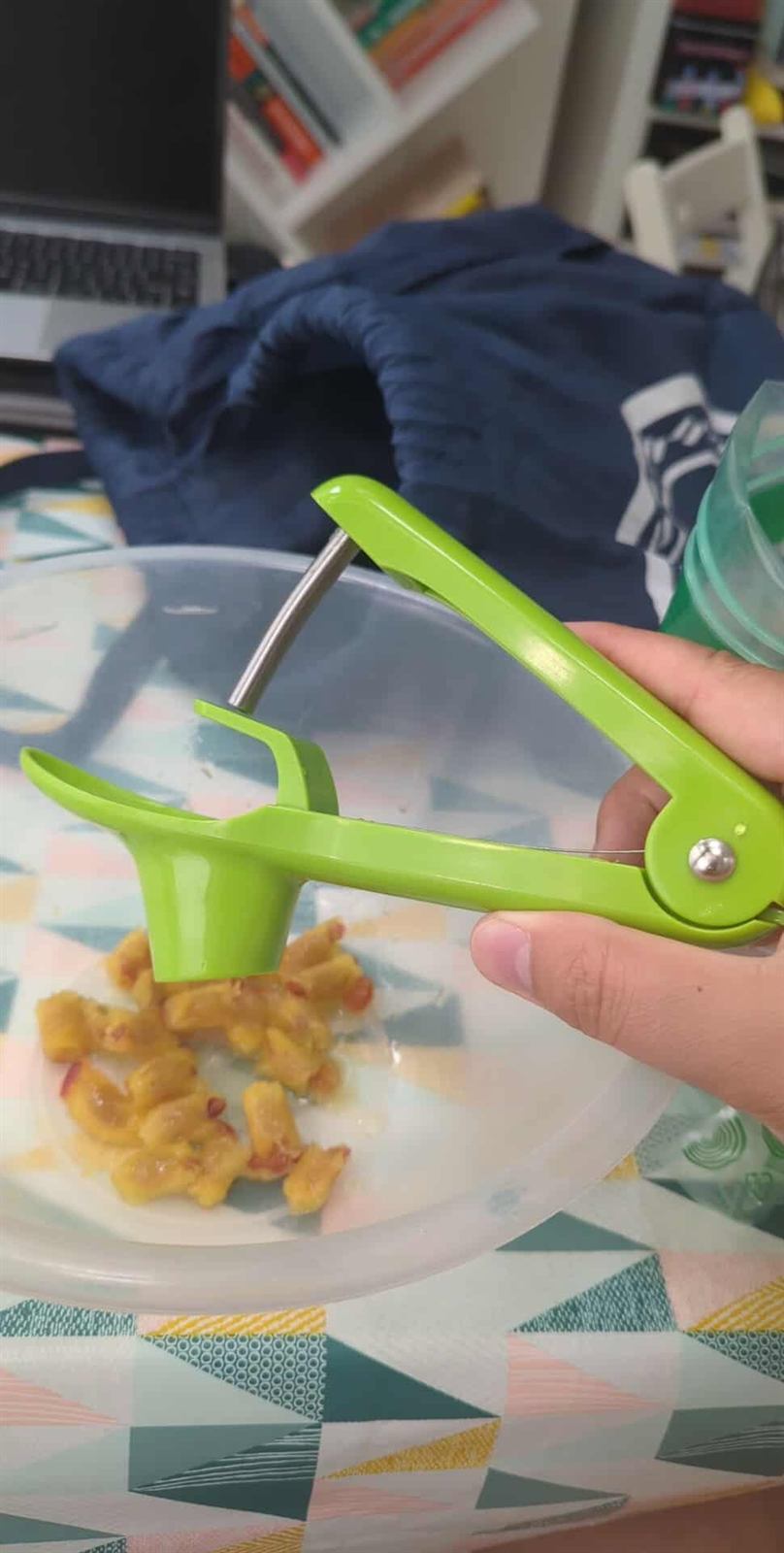
The most annoying step is pitting 20kgs of plums. This olive pitter worked fairly well, but only on the more ripe plums, and it left a fair amount of fruit behind. The stones have to be removed before fermentation, otherwise they add too much bitterness.
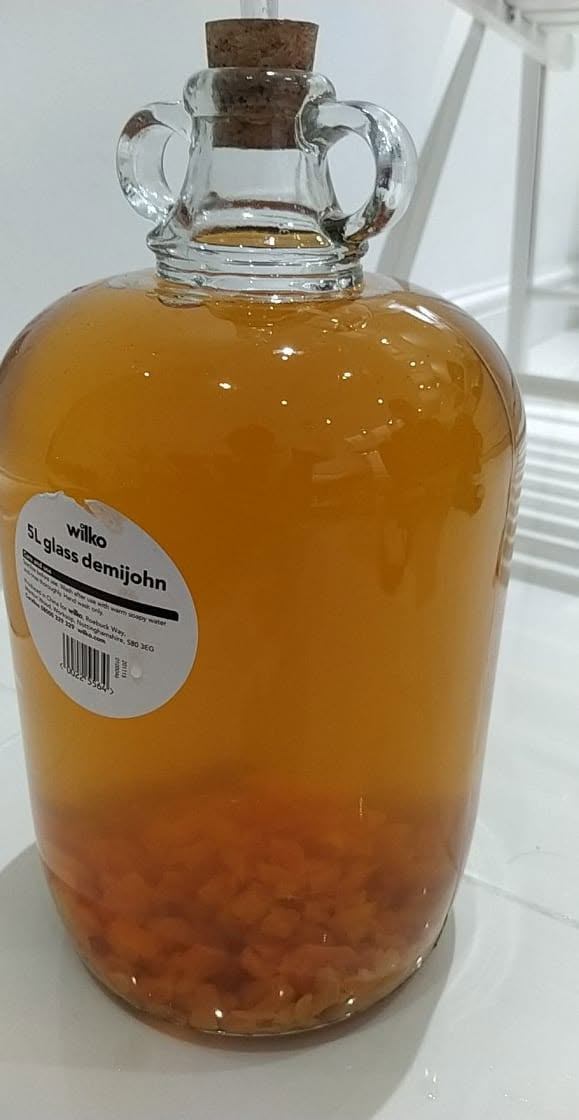
A batch of plum wine aging on some dried apricots - the apricots boost the sweet fruity flavors and depending on the residual sugar content, it can make for a really nice dessert wine.
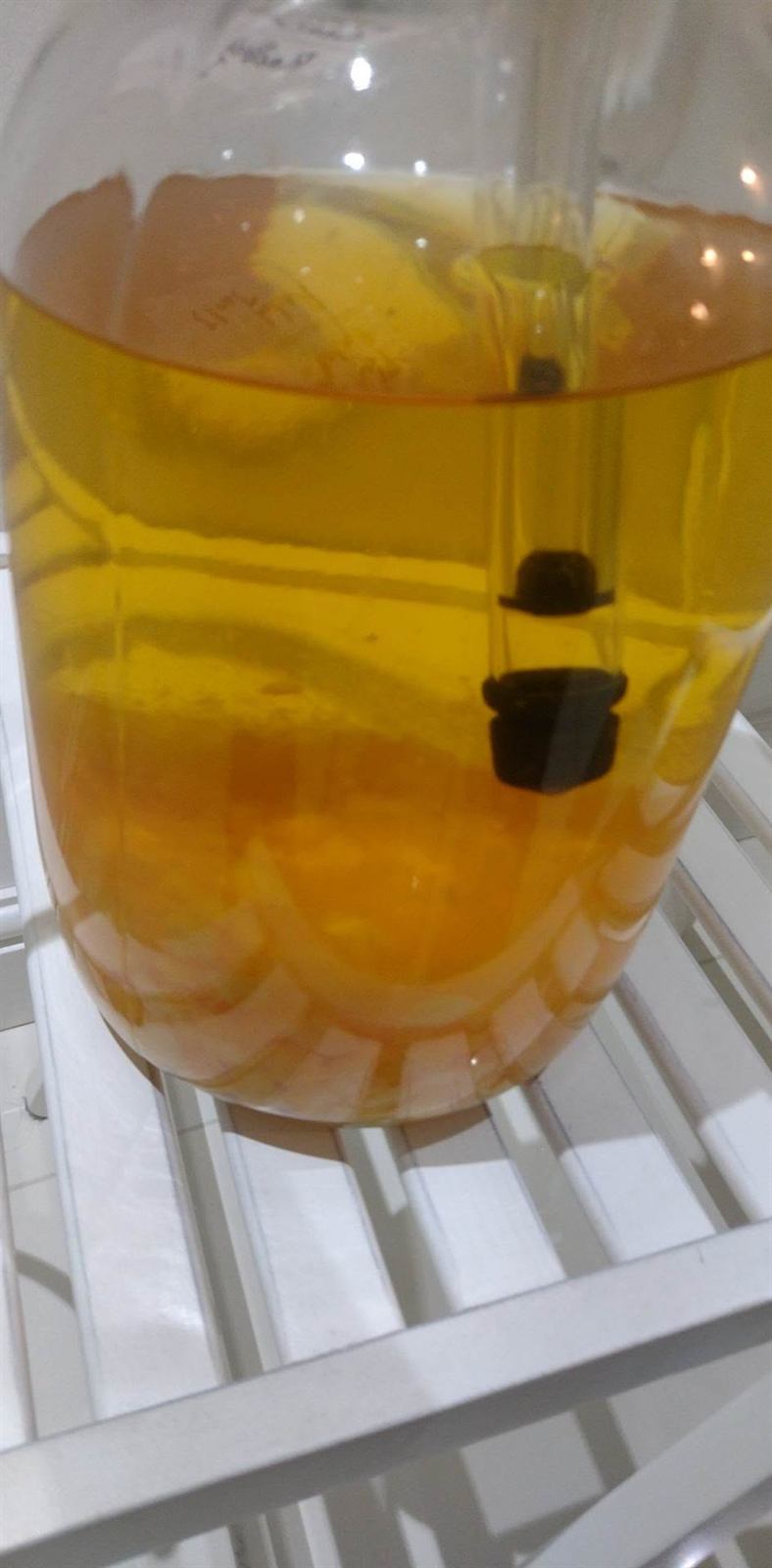
The same wine, but much clearer after some time.
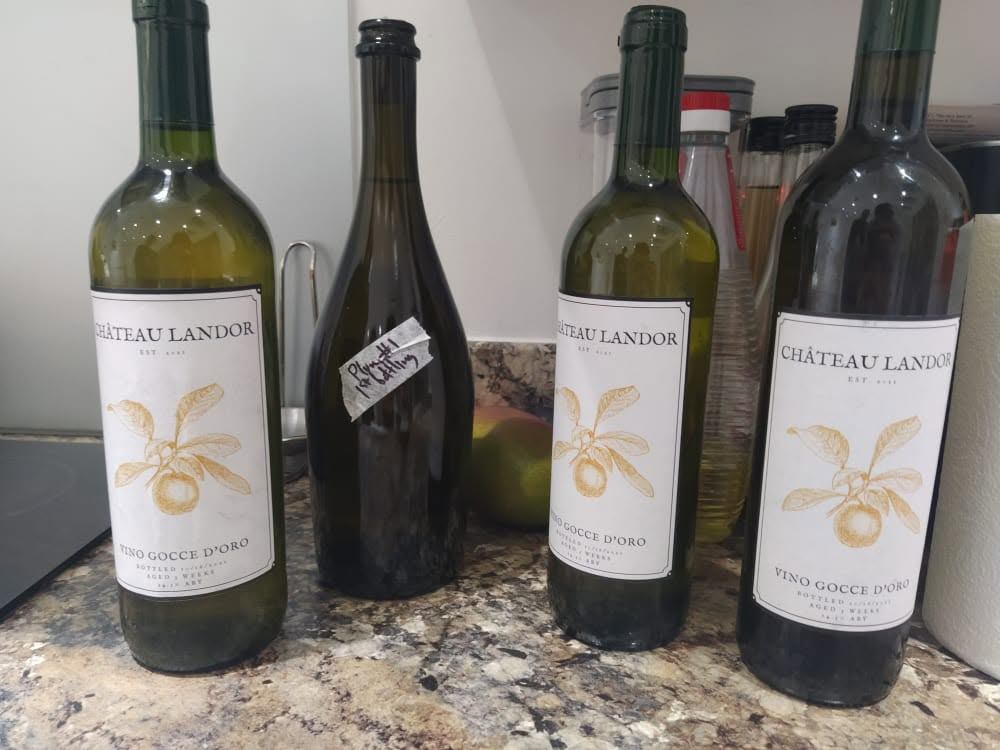
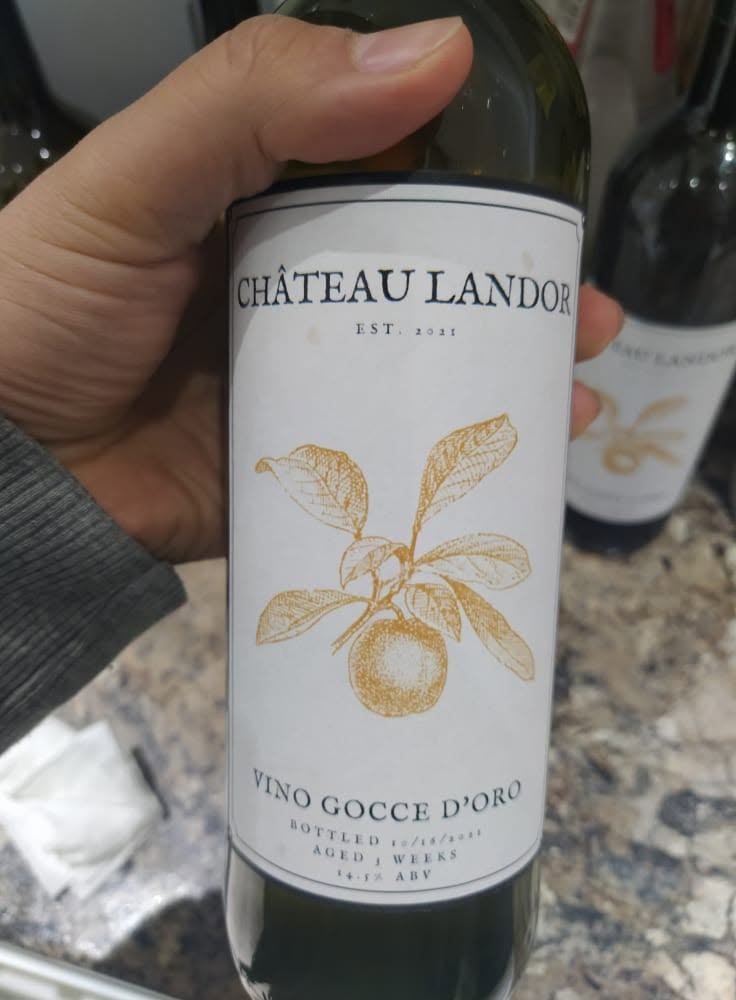
The first batch of plum wine bottles, and I think the first labels I made. 'Vino Gocce d'Oro' with the bottling date, age at bottling, and the ABV.
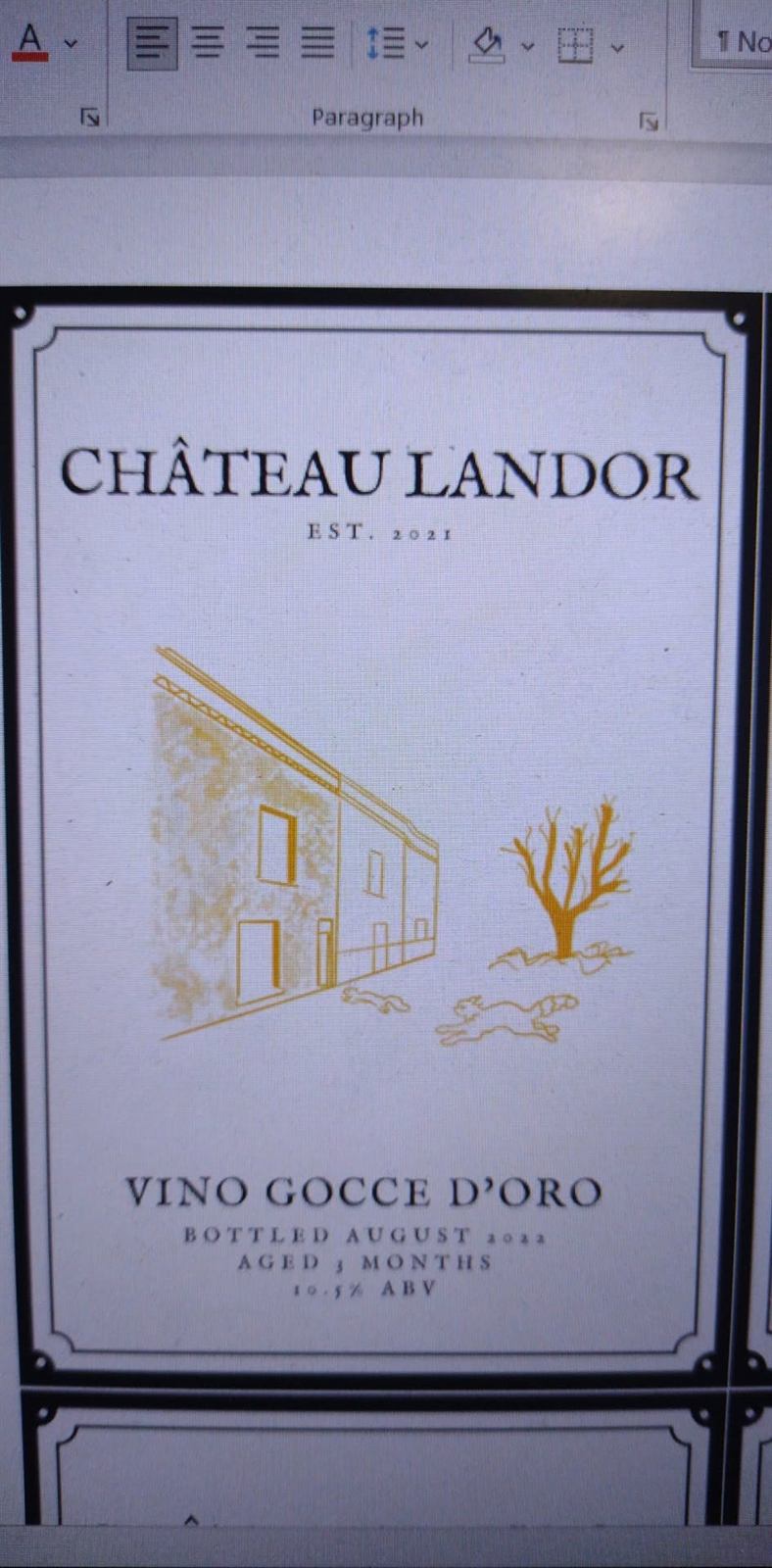
The updated label picturing the Chateau and the local wildlife, used on a later batch, and drawn by my wife.
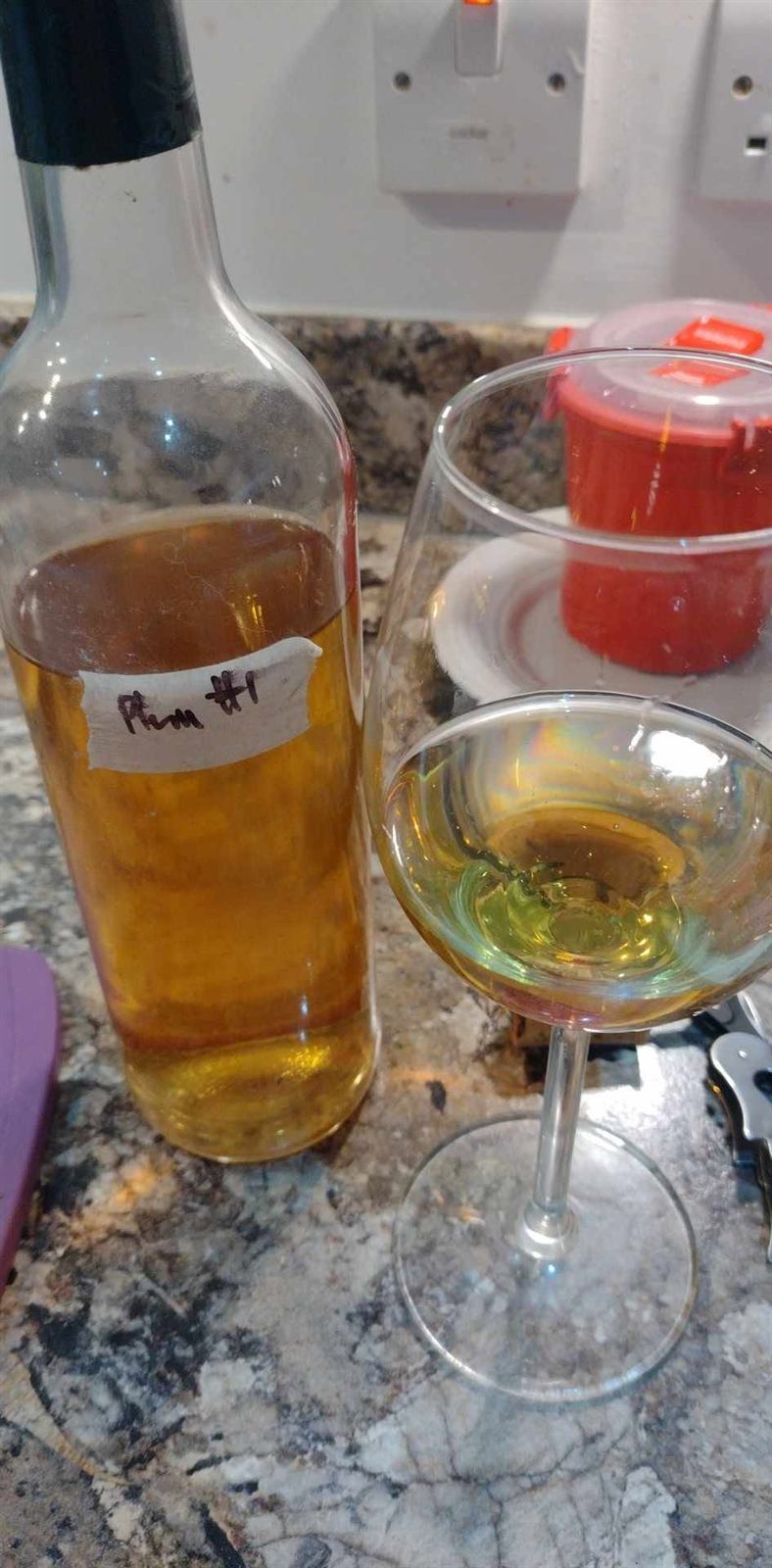
Plum #1, first batch - every time a wine turns out so clear, I am awestruck, considering how opaque the initial mix with all the decomposed fruit is.
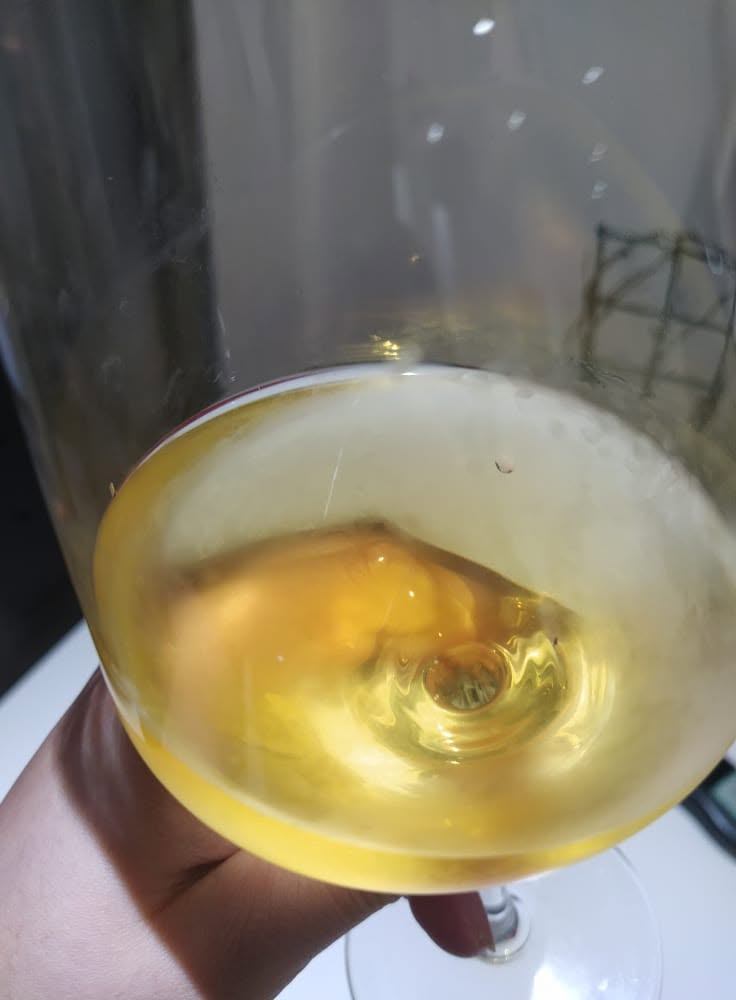
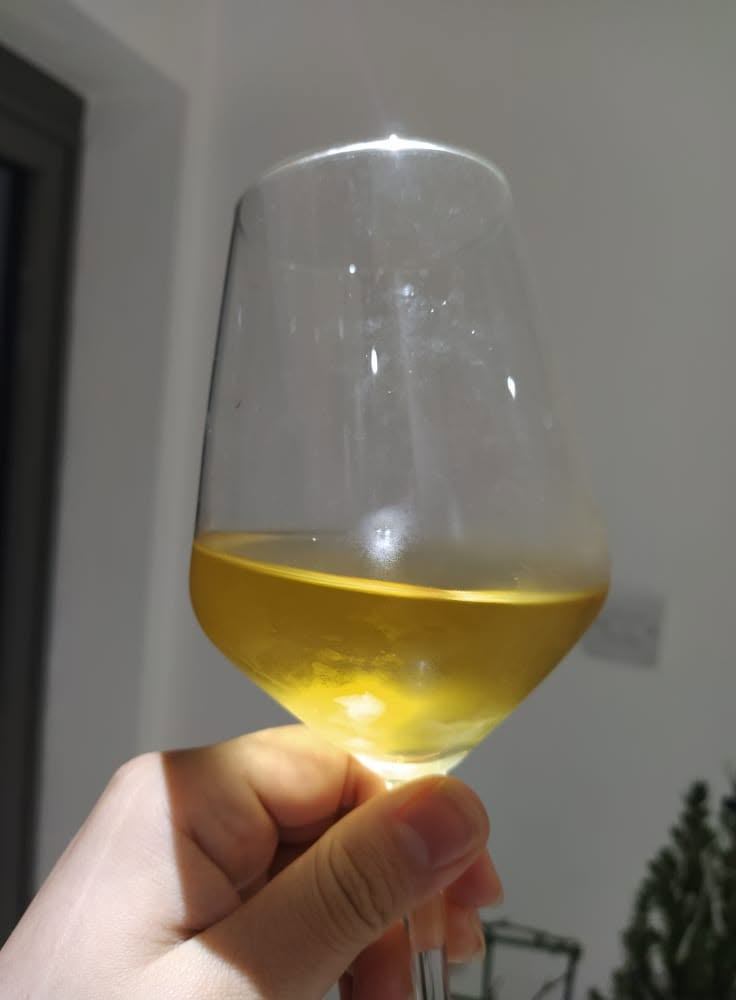
A later batch, also crystal clear, and looking like a proper professional wine!
Cherry Wine
Soon after I started making wines, my Holy Grail became a cherry wine, inspired by the Hozier song.
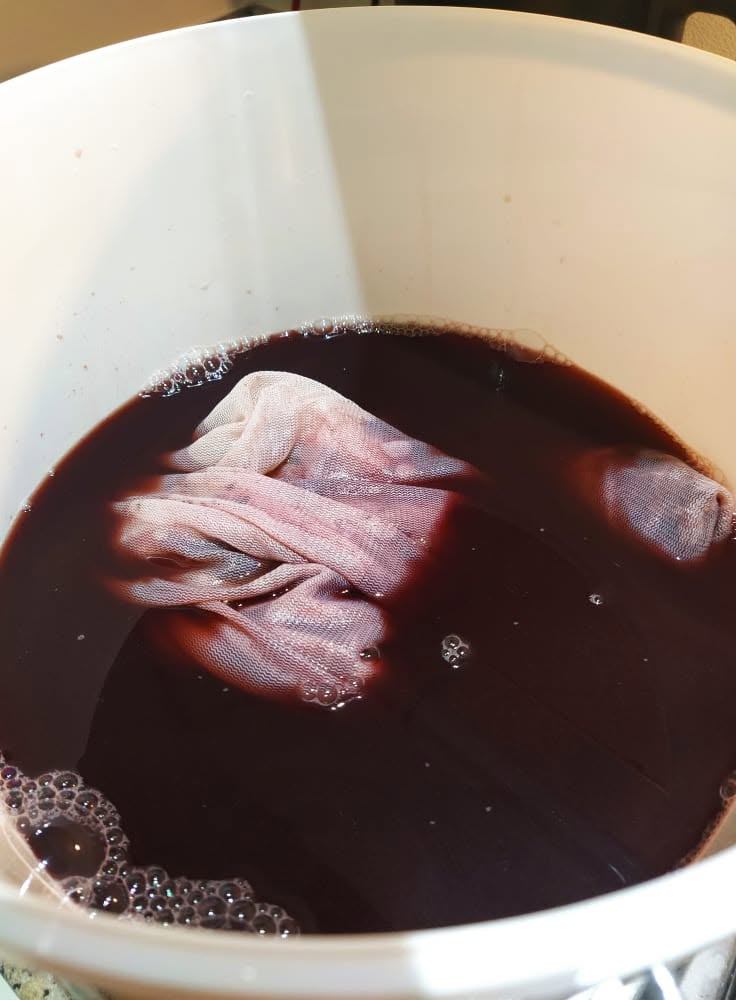
I've tried with two different types of cherry - pitting 3 kgs of fresh cherries, and buying ready-pitted frozen cherries. The frozen cherries were easier, and maybe turned out slightly better.
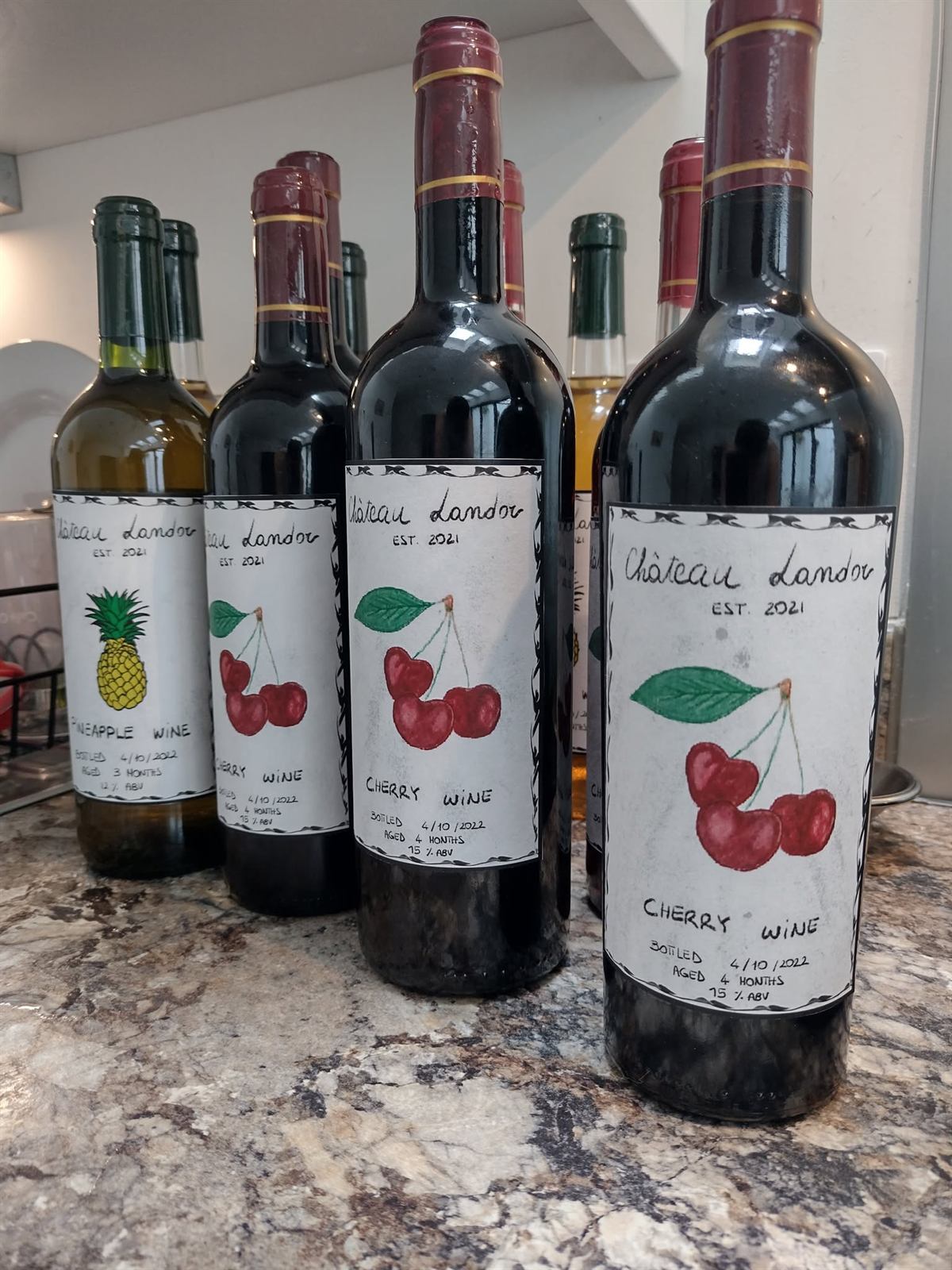
The initial bottling of cherry wines, with labels made by my wife. Spot the pineapple wine in the back, which I haven't posted here, but it was the very first recipe I tried, and ends up tasting pretty much like a standard white wine, with a slight aftertaste of pineapple.
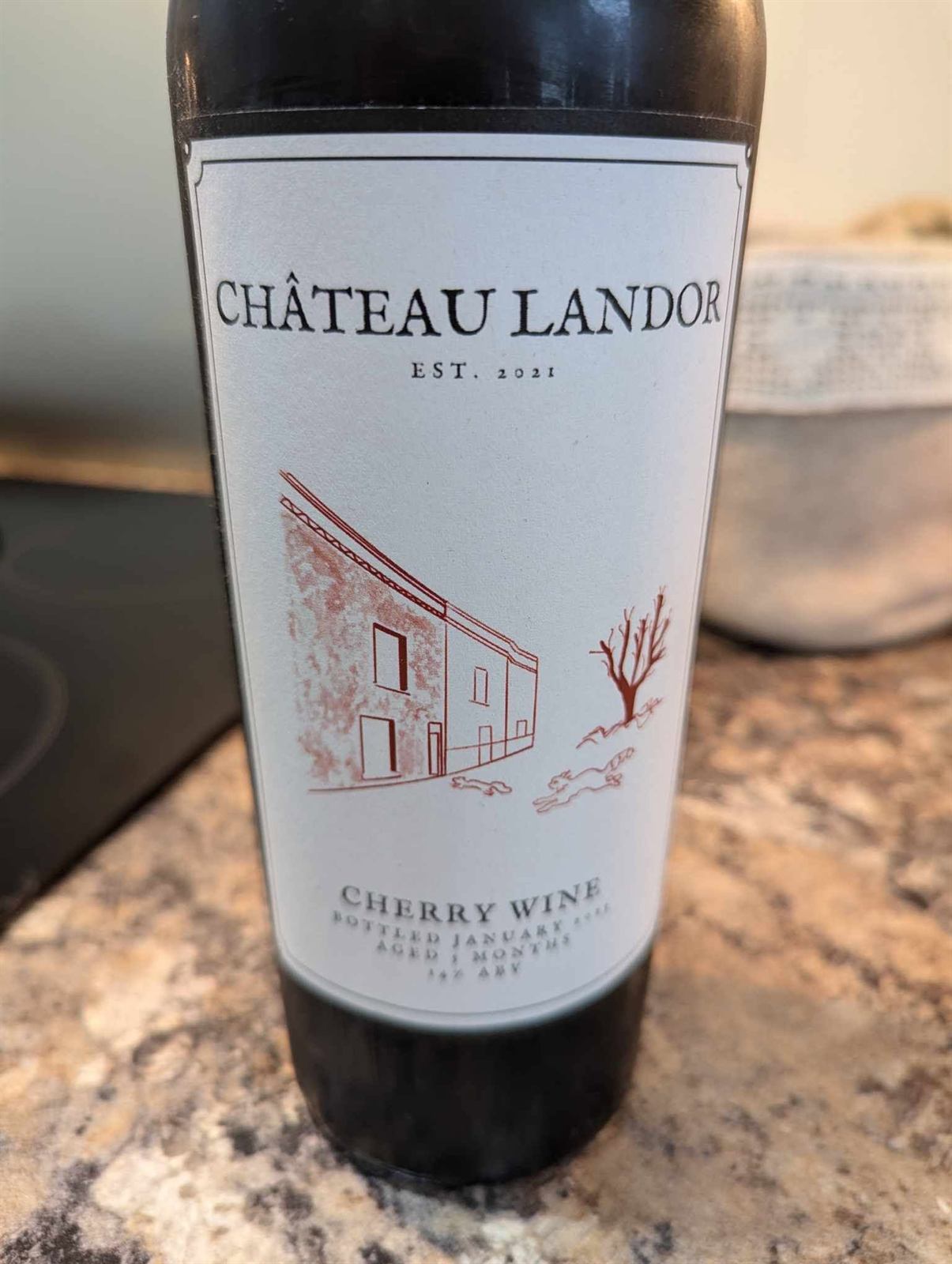
The updated label on a later bottling.
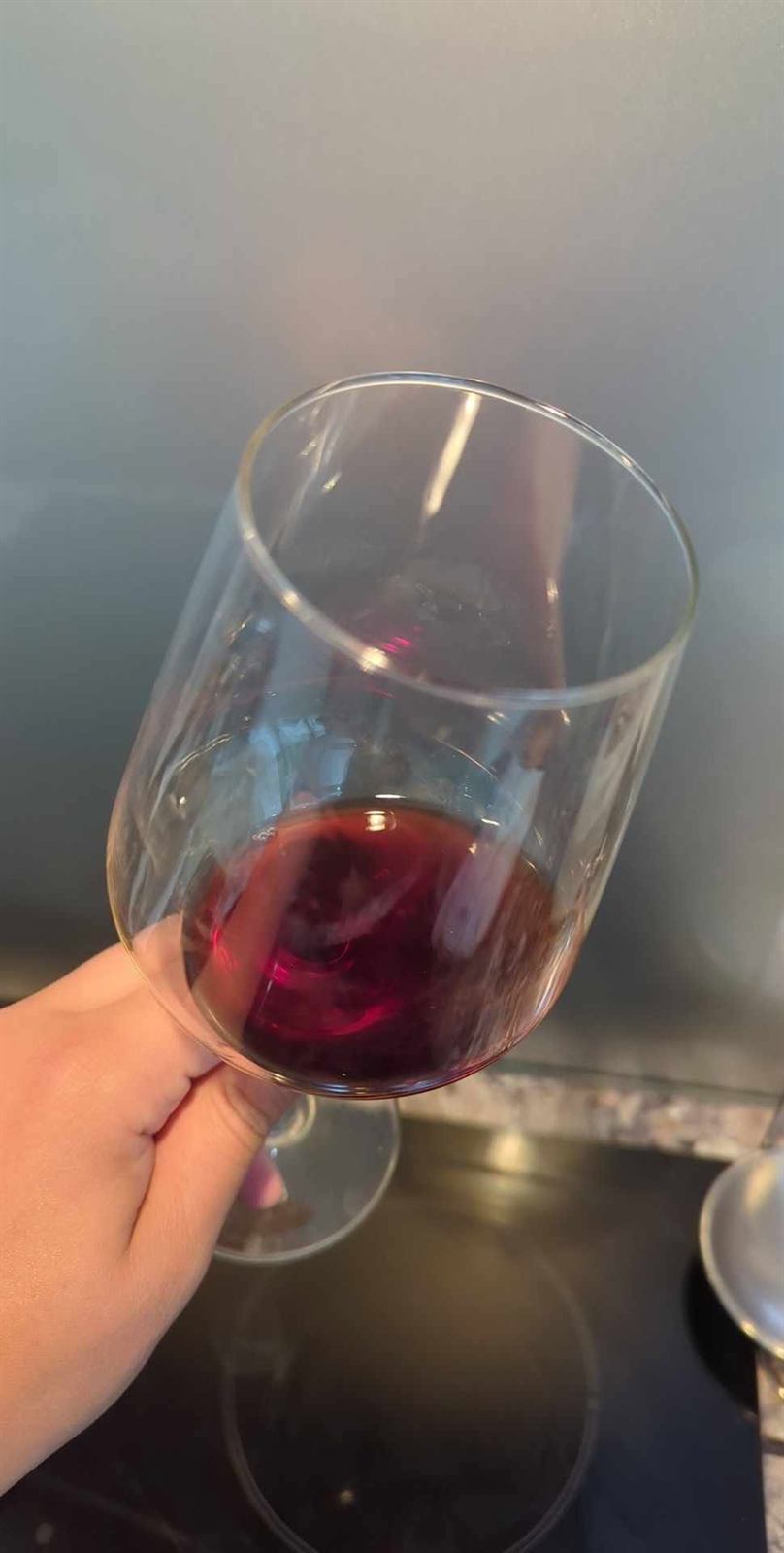
Trying the wine after around 6 months of age. Not too pleasant and quite harsh, which was disappointing, but I made the discovery that if you eat some dark chocolate while drinking it, the wine tastes almost the same as Dr. Pepper.
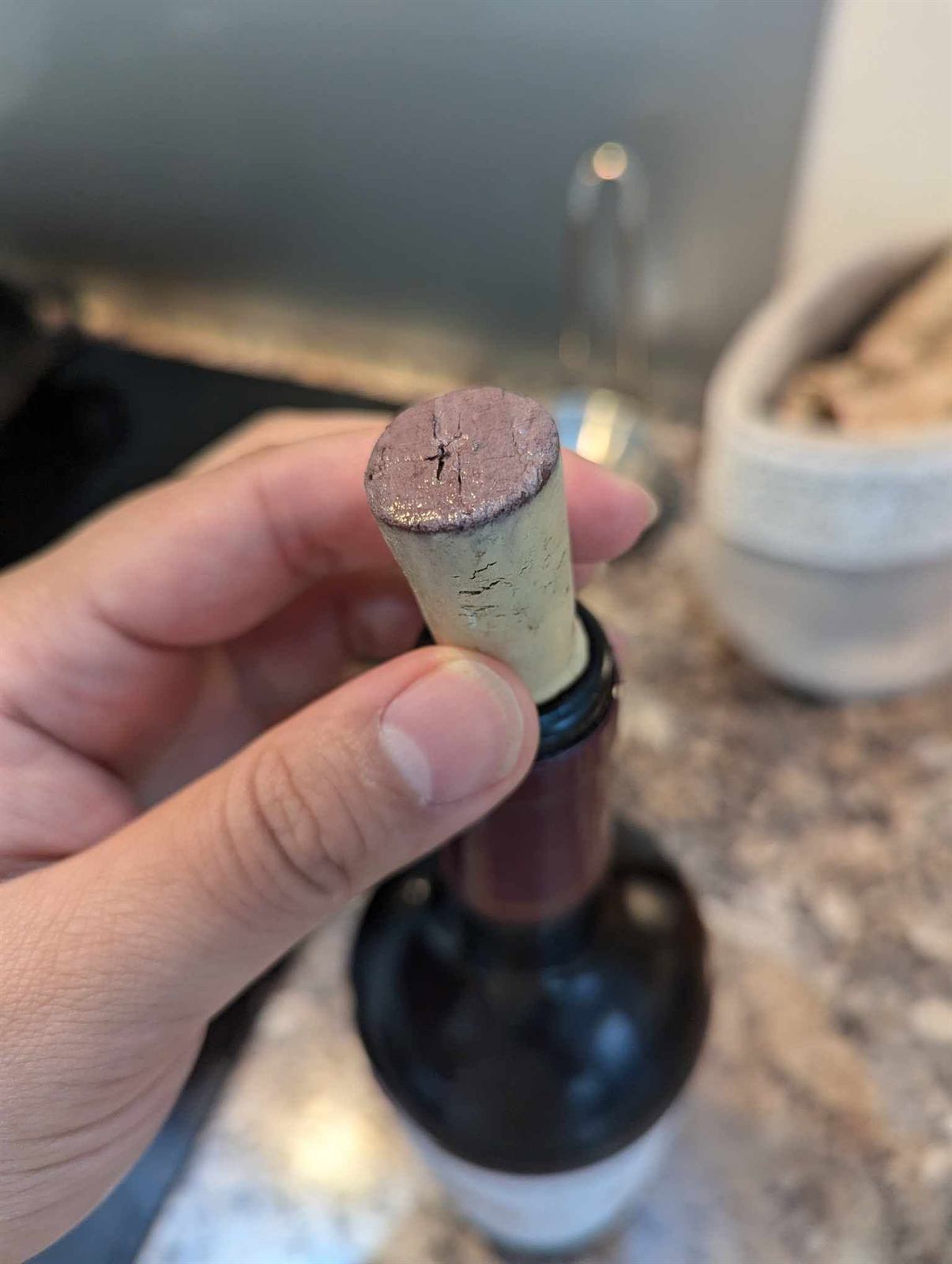
After letting it age longer, showing how well the cork held up even after 3 years of aging. Best to store the bottles on their sides.
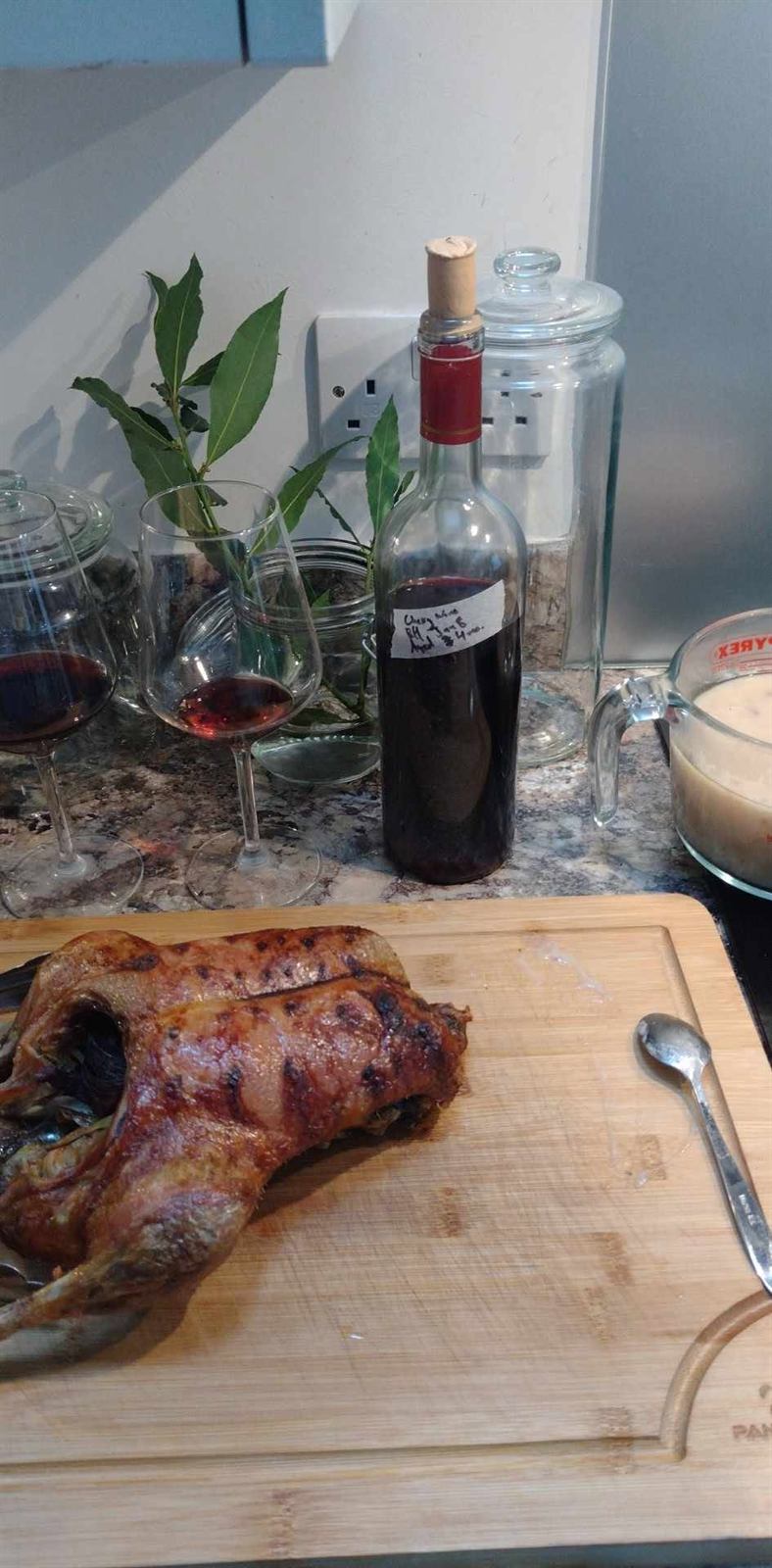
A bottle that had 3 years of age I think, and the extra time worked wonders on the wine. Truly the best wine I've made, and I finally felt like I had made something that wasn't just a 'gimmick', but was actually superior to any commercial wine that I have tried. As you can imagine, it paired amazingly with a roast duck.
Applejack
Home distillation is largely prohibited. Scientifically, distillation and fractionalization are two different processes: distillation is the removal and concentration of a solute (alcohol) from a solution; fractionalization is the removal of solvent (water) from a solution, which concentrates the remaining solution. One could argue that applejack, which is apple wine which is cooled until the water freezes and the alcohol is liquid, is made via fractionalization, and therefore is not distilled.
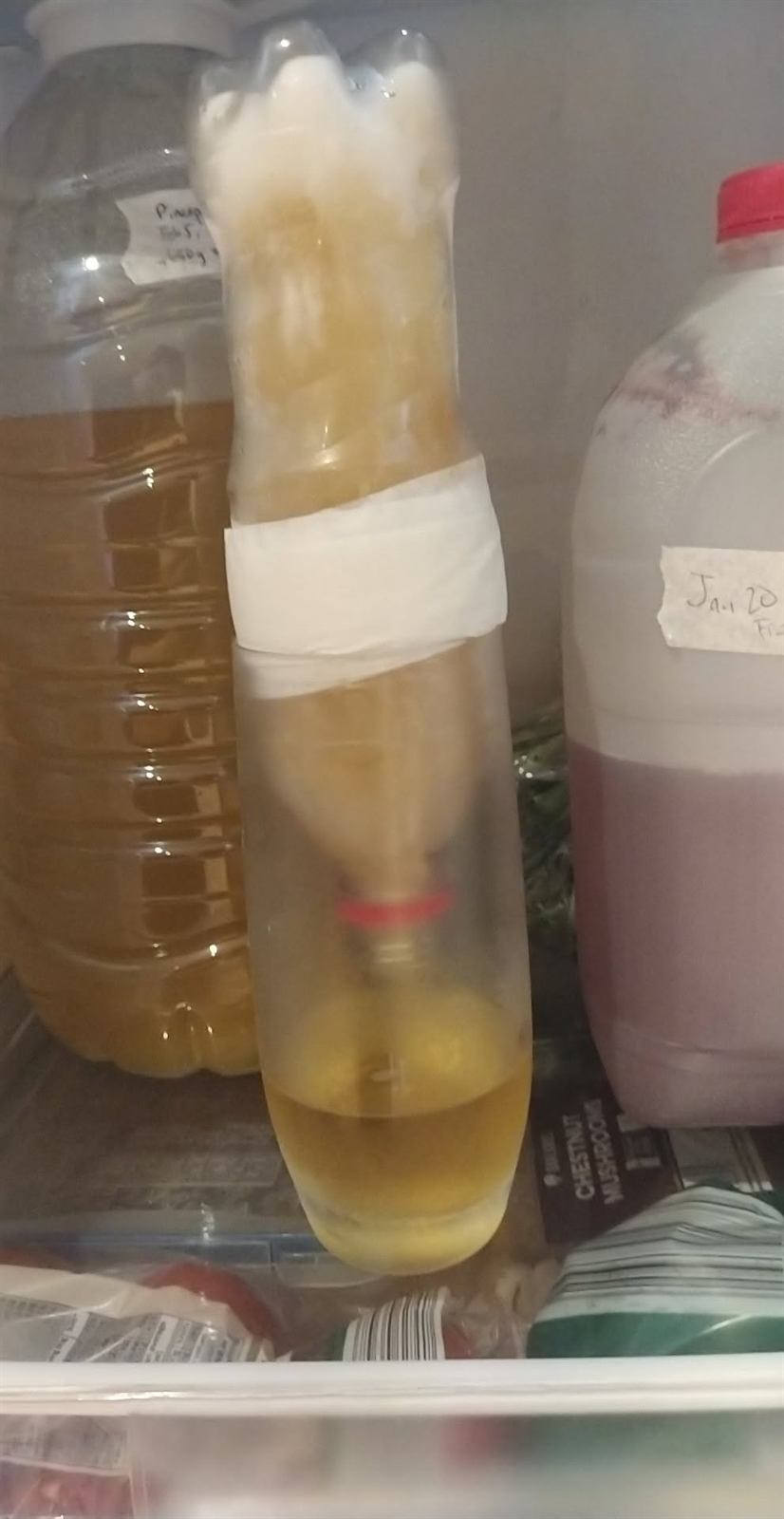
In practice, it's easier to fully freeze the apple wine, then thaw it inverted, so the frozen ice (water) stays in the bottle, and the concentrate is collected in the glass below. Doing it in the fridge is slower, but allows for better separation of the solvent and solute, as it prevents the water from thawing as quickly. The collected concentrate is then frozen and the process is repeated a few times.
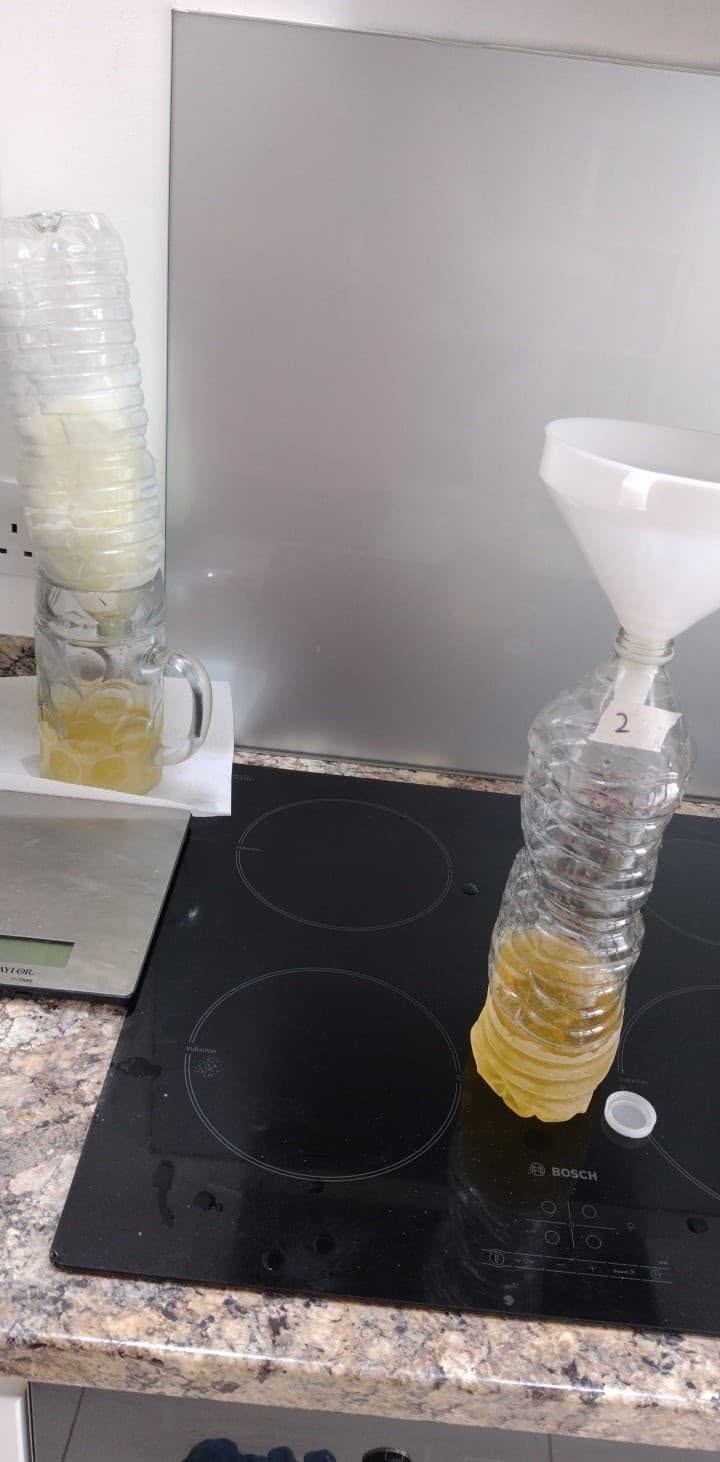
With larger batches in multiple containers, it's worth keeping track of which cycle each concentrate is on.
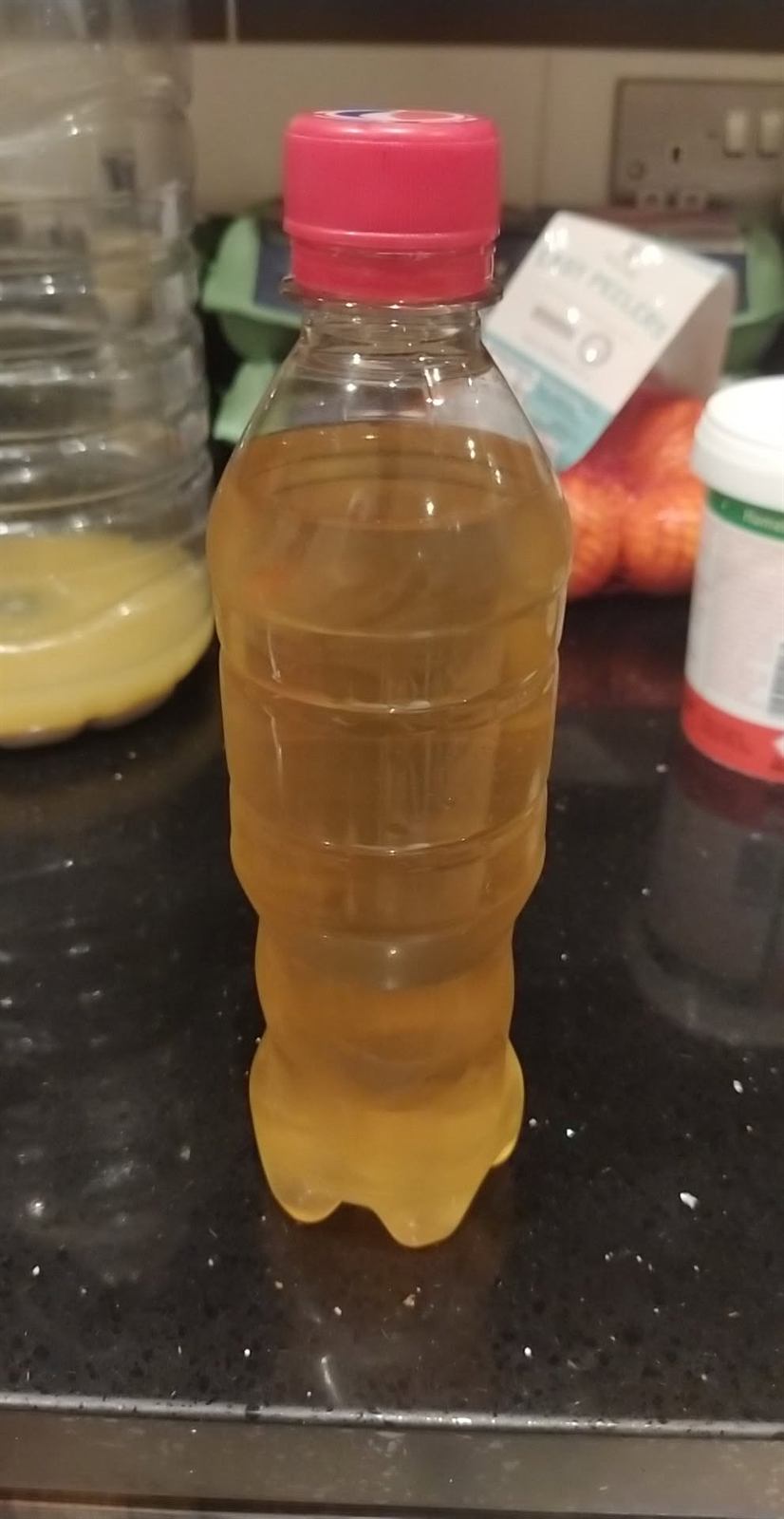
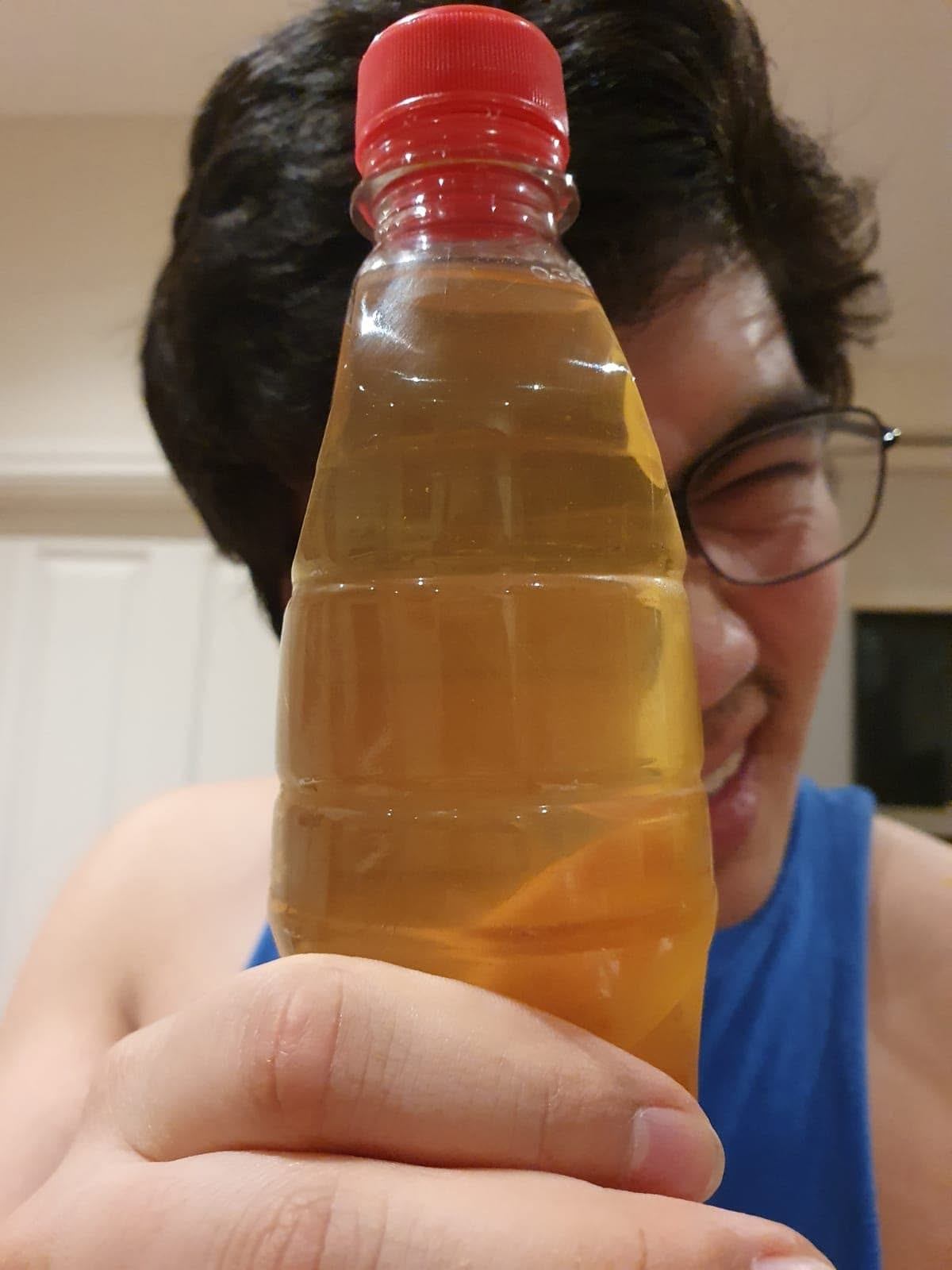
So clear! First ever batch was basically a proof-of-concept, and yielded only ~300ml. But that was plenty for 2 people.
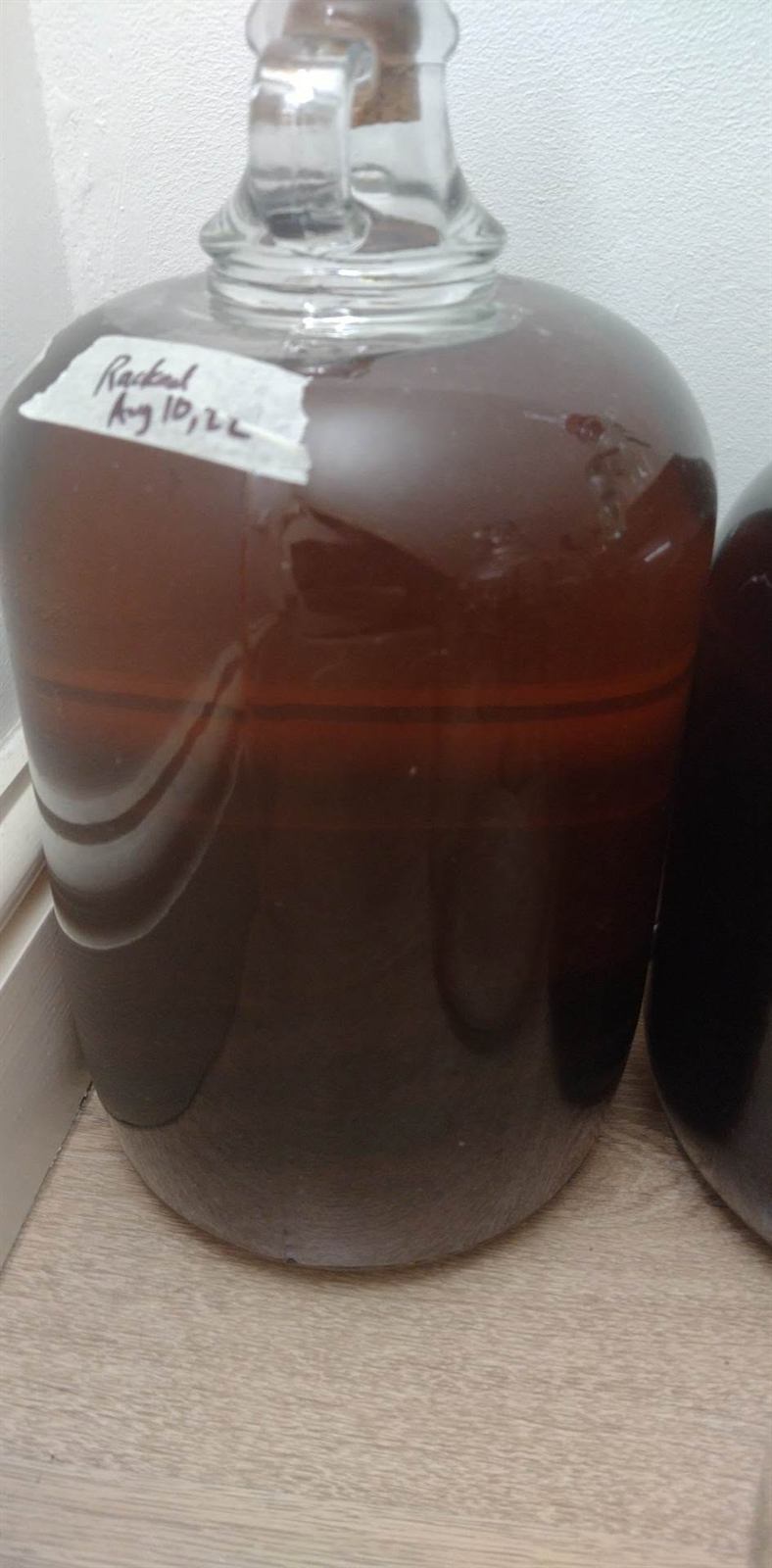
First full 5 liter batch, and aged on some medium-toasted french oak sticks. The applejack picked up a great color and flavor from the oak.
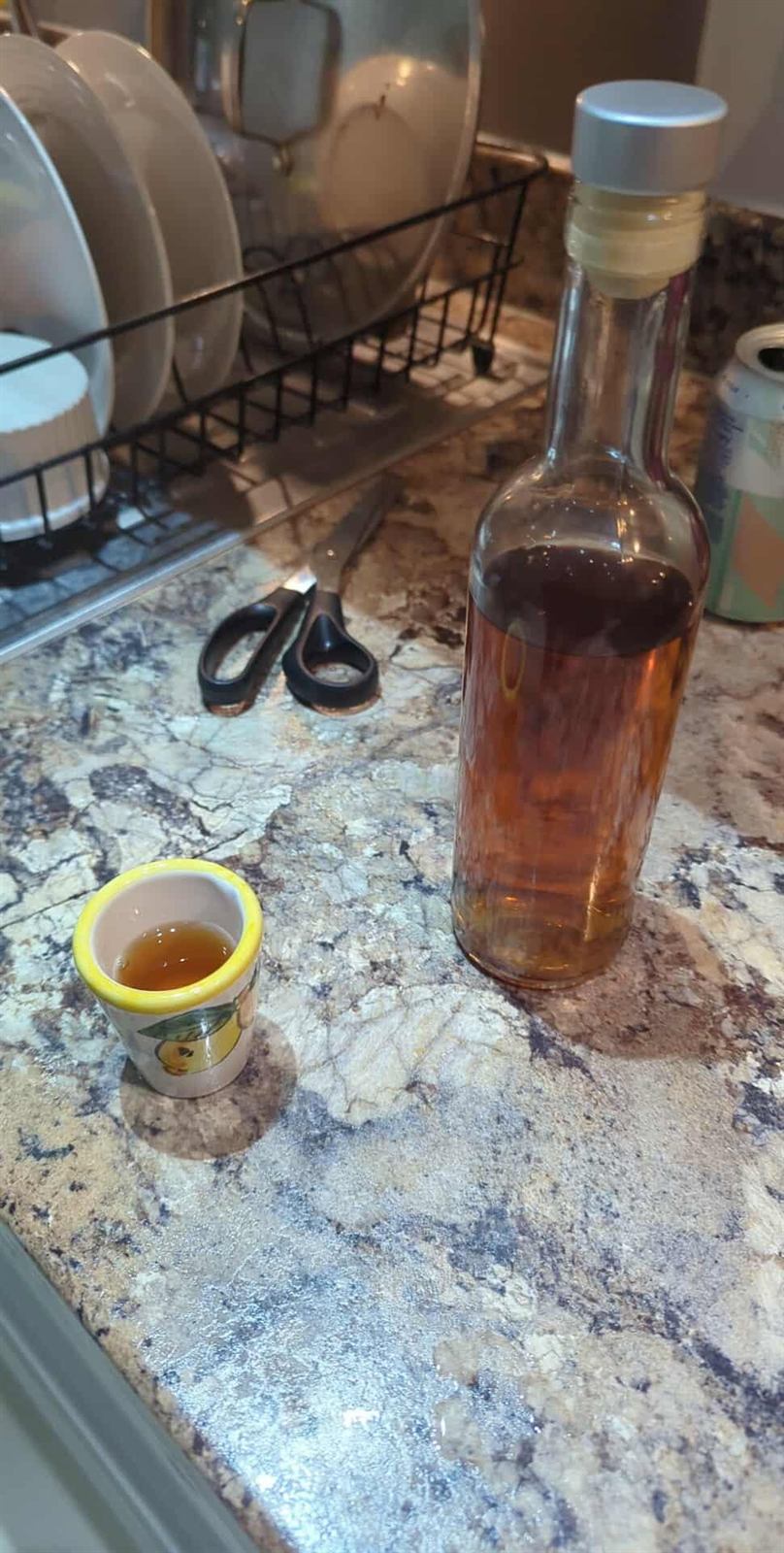
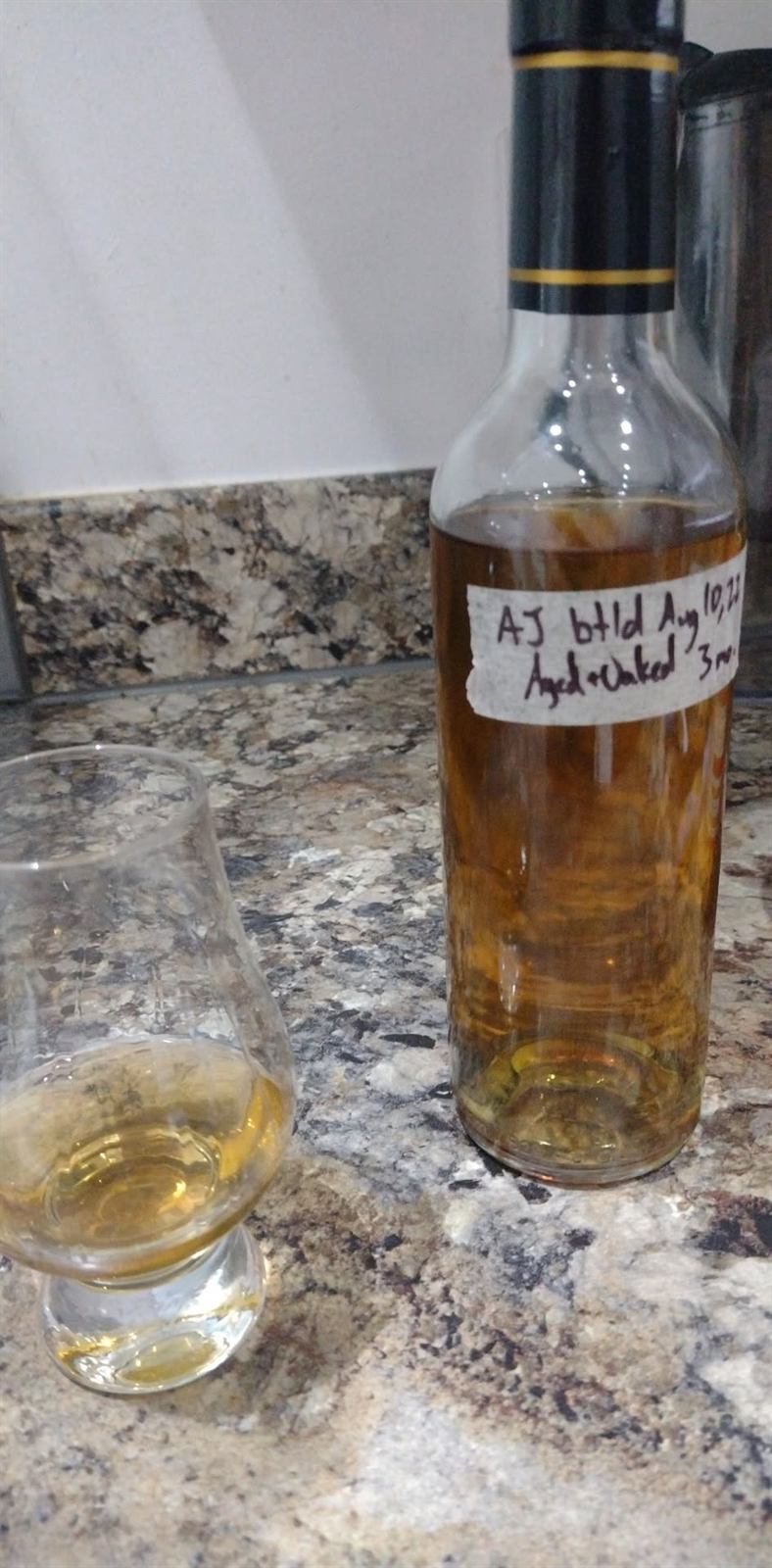
A few samples along the way. Fairly labor intensive, but well worth it!